
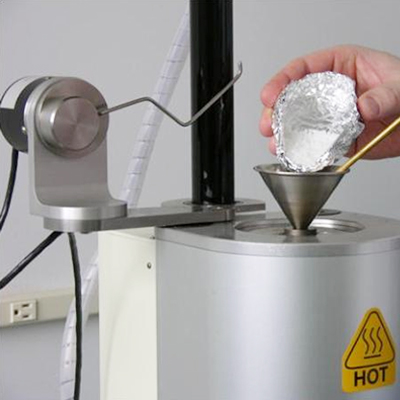
Manufacturers depend a lot on product quality being consistent. This is very much reliant on knowing how materials respond throughout the production process. The teardrop shape in the normalised melt flow examines a property of the polymer. Such measures allow the producer to ensure that they can provide good-quality and trustworthy products to the consumer. Monitoring melt flow can greatly enhance factory functioning.
What Is Melt Flow?
Melt flow is a spectrum that describes the viscosity of a polymer material that is being processed through a small resin opening by application of heat and pressure. A melt flow index is an indication of how easily plastic can be processed in manufacturing. This measurement can help determine how freely a resin flows, which could affect shaping, moulding, and extrusion processes. Manufacturers can forecast the behaviour of a material when transformed using the melt flow rate.
Ensuring Material Consistency
Stable material properties are imperative for efficient production. The melt flow testing shows if that batch of resin will process like past ones. Even small changes in flow can alter appearance, strength, or durability. Melt flow values can indicate consistency and reliability and help guarantee that strict requirements are met and products are defect-free every time.
Quality Control and Assurance
Quality control teams also used melt flow data to assess incoming raw materials. It serves as an early alert for possible issues before production. Frequent testing helps to identify variations that may impact the final product. Monitoring melt flow guarantees that only the right materials enter the process. It ensures consistency in the workflow and safeguards brand image.
Process Optimisation
Measuring melt flow to direct processing condition adjustments can enhance manufacturing efficiency. These values are used by operators to identify the right temperature and pressure settings. When appropriately calibrated, there is a smaller chance of defects in the final output and a better ultimate product look. Factories can minimise machine downtime and achieve greater production output through a response to melt flow results.
Meeting Industry Standards
Polymer properties are often a critical requirement in many industries. Melt flow measurements provide a demonstration of compliance with these regulations. When the results stay consistent, then the clients are assured that all the items adhere to the guidelines as specified. Neglecting to monitor this aspect could lead to expensive recalls or rejections. Following these standards ensures that the company remains compliant and also protects consumers from unwanted problems.
Reducing Waste and Costs
Improper melt flow can lead to blockages, partial moulds, or surface defects. These issues can cause parts being scrapped and effectively wasted. Melt flow testing also helps identify faulty batches along the production line. Detecting a bug early avoids rework and does end up saving a lot of money. Measuring the use of materials is also beneficial for sustainability efforts and reducing environmental impact.
Supporting Product Development
Material behaviour has to be thoroughly assessed when launching new products. Engineers rely on melt flow data when developing new designs. That aids in predicting the implications of resin choice on the processability and performance of the part. This early testing helps make changes early on before mass production starts. This results in more seamless launches and fewer delays.
Improving Customer Satisfaction
Consumers expect products to work as advertised. These melt flow values help ensure that the items are up to expectations. Purchasing behaviour will improve, and complaints and returns will decrease because of stable quality. Happy customers are likely to remain loyal and serve as brand advocates. Positive experiences build long-term relationships that drive repeat business.
Adapting to Market Demands
With changing consumer preferences, the manufacturers have to transform their processing procedures to manufacture their products in order to be competitive. Melt flow measurements add the capability to handle new materials. It is easier to accommodate rapid supply or design changes with good data. This flexibility enables organizations to respond quickly to trends and remain competitive.
Wrapping Up
Nowadays, melt flow measurements are critical for modern manufacturing. Melt flow provides critical insights into materials, ensures quality, and pushes for efficiency. This monitoring of melt flow reduces costs for businesses and enhances product consistency, giving companies that implement it a competitive advantage. This approach leads to an effective but uncomplicated test to ensure that each product delivers a desirable outcome every step of the way. Across industries, melt flow testing is critical, and independent verification of results ensures reliable data, which, in turn, directly contributes to the success of the production processes.


